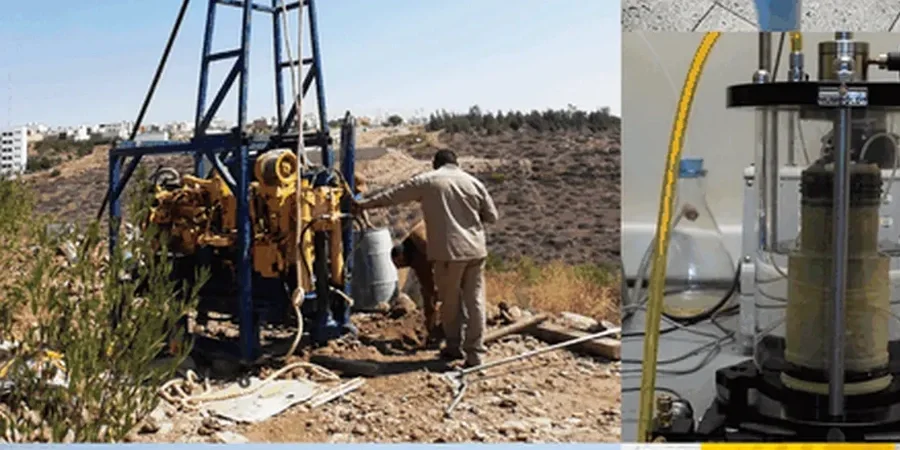
The IBC explicitly references ASCE 7 for seismic ground motion parameters, and in Santa Ana those parameters demand a close look at the soil profile. Much of the central and western parts of the city sit on Quaternary alluvium from the Santa Ana River—deposits that can be loose to medium-dense in the upper 15 to 30 feet. When a standard penetration test comes back with N-values below 15, we are almost certainly dealing with a compaction candidate. Our vibrocompaction design process starts with a review of the geotechnical baseline, often cross-referencing data from CPT testing to get a continuous tip resistance profile. This is not a one-size treatment. The probe spacing, vibration frequency, and withdrawal rate all depend on the fines content and the target relative density. For a typical commercial building pad in Santa Ana, we aim for 70 to 85 percent relative density, verified afterward with SPT or cone penetration tests.
Real-time amperage monitoring during vibrocompaction tells you more about the soil than a dozen lab reports on disturbed samples.