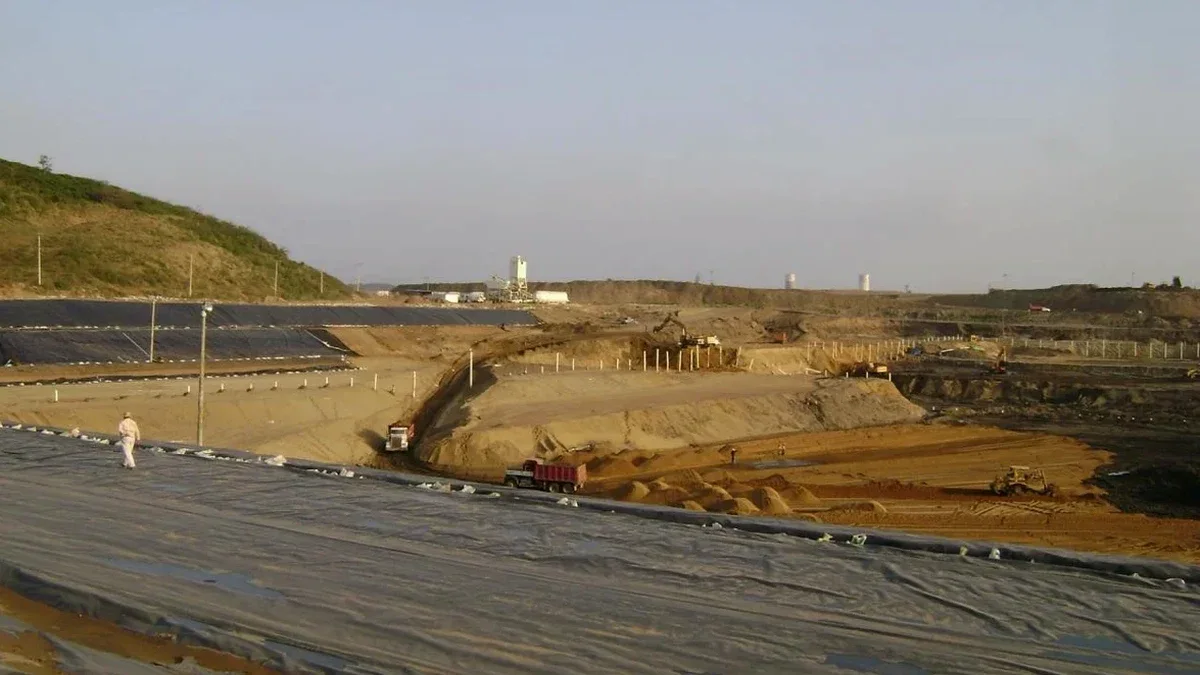
A developer recently broke ground on a mixed-use project near MainPlace Mall, targeting three levels of subterranean parking. The site sat in the historic floodplain of the Santa Ana River, where interbedded silts and loose sands dominate the upper 60 feet. This is the reality of deep excavation design in Santa Ana—soft, saturated alluvium that demands more than a one-size-fits-all support system. The geotechnical design of deep excavations in this city requires rigorous modeling of lateral earth pressures, hydraulic gradients, and basal heave potential. Our laboratory integrates site-specific stratigraphy with finite element analysis to configure soldier pile and lagging walls, secant piles, or diaphragm walls that hold up under both static and seismic loads. Complementing the design phase, we often correlate subsurface data with CPT testing to refine soil behavior type profiles before selecting the shoring method. For projects where groundwater drawdown is critical, we pair the excavation sequence with an in-situ permeability test program to calibrate dewatering models accurately.
In downtown Santa Ana, a single unbraced excavation in loose alluvium can trigger settlement 50 feet beyond the property line—controlling wall deflection is non-negotiable.