GEOTECHNICALENGINEERING1
SANTA ANA
HomeGround improvementStone column design

Stone Column Design for Soft Soils in Santa Ana

Geotechnical engineering with regional judgment.

LEARN MORE

Santa Ana sits at roughly 115 feet above sea level, underlain by Quaternary alluvium that can lose significant bearing capacity during a major seismic event. With a population exceeding 310,000 and a building stock that mixes mid‑century construction with modern mid‑rise projects, the demand for reliable ground improvement has never been higher. A stone column design that ignores the Santa Ana River floodplain deposits or the variable silt content found between First Street and the Civic Center will underperform from day one. Our team correlates site‑specific CPT data with CPT testing results to model column stiffness, spacing, and depth before a single rig mobilizes. The outcome: densified, drained, and reinforced ground that handles both static settlement and cyclic loading without surprises.

A well‑designed stone column grid in Santa Ana alluvium routinely cuts post‑construction settlement by more than 60 percent compared to untreated ground.
Our service areas

Methodology and scope

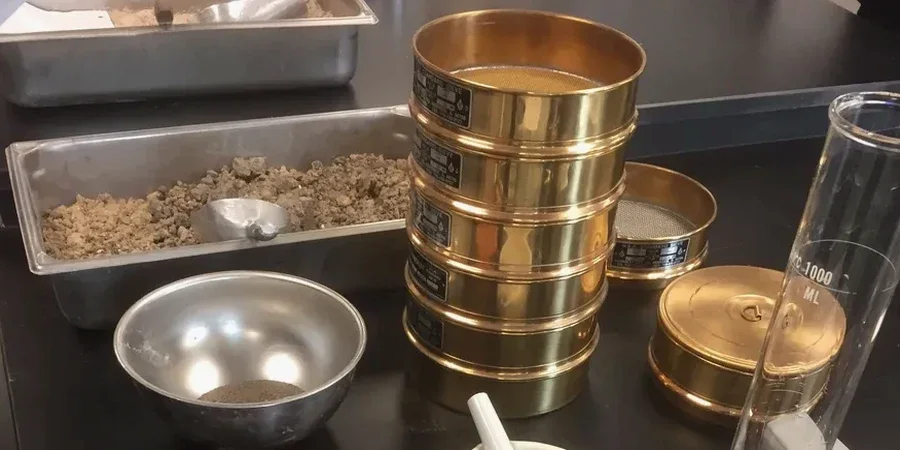
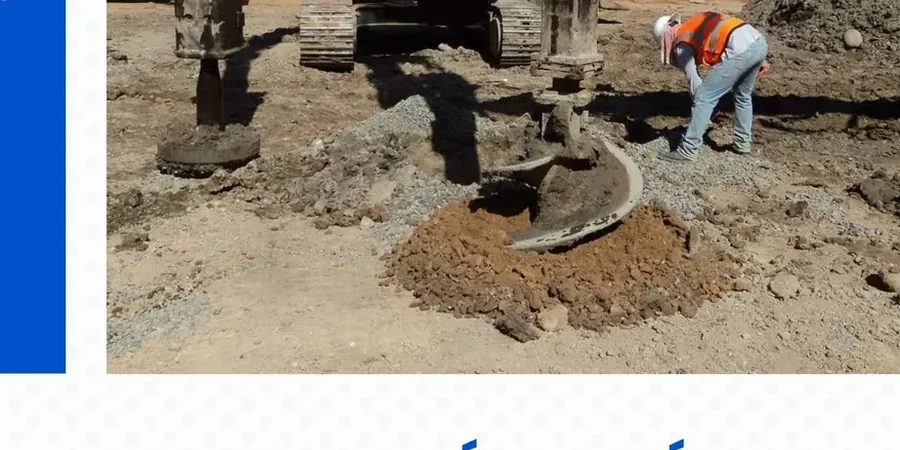
The most common mistake we see on Santa Ana jobsites is treating stone columns as a one‑size‑fits‑all deep foundation solution. Contractors sometimes install columns on a fixed triangular grid without adjusting for the lens of lean clay that frequently appears between depths of 8 and 14 feet in the central part of the city. A proper design sequence starts with stratigraphic characterization: we run grain‑size analysis and Atterberg limits to confirm fines content, then cross‑reference the profile with SPT drilling blow counts taken at the same parcel. From there, we define the replacement ratio, column diameter, and gravel gradation per ASTM D2487. The installation method—whether wet top‑feed or bottom‑feed vibro‑replacement—is selected based on the presence of groundwater and the proximity of sensitive structures. Every parameter is backed by a settlement calculation that accounts for the composite modulus of the treated soil mass, and we verify the as‑built condition with post‑installation plate load testing at the design bearing level.
Stone Column Design for Soft Soils in Santa Ana
Technical reference — Santa Ana

Site-specific factors

A four‑story mixed‑use building on North Main Street started showing differential settlement cracks within six months of completion. The original geotechnical report recommended a rigid inclusion system, but value engineering replaced it with a sparse stone column layout designed without a site‑specific liquefaction trigger analysis. After two moderate rain seasons, the upper 10 feet of sandy silt densified unevenly, and the slab‑on‑grade separated from the perimeter footings. Remediation cost exceeded three times the original ground‑improvement budget. That project taught us a hard lesson: in Santa Ana, where the groundwater table can rise to within 8 feet of the surface during wet years, a liquefaction assessment must inform the column spacing and the drainage blanket design. Skipping that step turns a cost‑saving measure into a structural liability.

Need a geotechnical assessment?

Reply within 24h.

Email: info@geotechnicalengineering1.biz

Reference standards

IBC 2024 (California Building Standards Code, Title 24), ASCE 7‑22 Minimum Design Loads and Associated Criteria, ASTM D2487 Unified Soil Classification System, ASTM D1586 Standard Penetration Test, ASTM D5778 Electronic Friction Cone and Piezocone Penetration Testing

Typical values

ParameterTypical value
Column diameter range24 to 42 inches
Typical grid patternTriangular, square, or area replacement
Replacement ratio (as)10 % to 35 % of footprint
Gravel gradationASTM D2487 clean, hard, angular stone
Design bearing pressure (treated)3 to 8 ksf
Settlement reduction target50–75 % vs. untreated
Depth of treatment (Santa Ana)15 to 45 ft typical

Common questions

What is the typical cost range for a stone column design and installation in Santa Ana?

Based on recent projects in Santa Ana, the combined design and construction cost for a stone column ground‑improvement program typically falls between US$1,290 and US$5,260, depending on the treated area, column depth, and grid density. Small commercial pads on competent alluvium trend toward the lower end, while larger footprints with deeper liquefiable layers push toward the upper bound. We provide a fixed‑price proposal after reviewing your geotechnical baseline report.

How do you verify that the stone columns are performing as designed?

Verification follows a three‑stage protocol: during installation we log amperage, lift thickness, and stone volume per column in real time. One week after installation we run modulus verification using either a zone load test or continuous surface wave testing, comparing the composite shear‑wave velocity against the design target. Long‑term performance is confirmed through settlement monitoring points referenced to a deep benchmark outside the treatment zone.

Can stone columns be installed next to existing buildings in downtown Santa Ana?

Yes, and we do it regularly in the dense urban fabric of downtown Santa Ana. We specify bottom‑feed vibro‑replacement rigs that minimize vibration and lateral displacement, and we install pre‑condition vibration monitors on adjacent structures. The column grid is often staggered closer to property lines, and we adjust the aggregate gradation to reduce radial stresses during compaction. A pre‑construction condition survey of neighboring buildings is always part of our method statement.

What soil types in Santa Ana benefit most from stone column ground improvement?

The loose to medium‑dense silty sands and soft silty clays of the Santa Ana River floodplain respond exceptionally well to stone columns. These deposits, common west of the 55 freeway and across the central city, exhibit low SPT blow counts and high compressibility. Stone columns densify the granular matrix, provide drainage paths that accelerate consolidation, and reinforce the softer layers through arching, making them ideal for shallow footing support on these challenging formations.

Location and service area

We serve projects in Santa Ana and surrounding areas.

View larger map