A common error builders make in Santa Ana is assuming the dry, alluvial soils are stable enough to ignore erosion. After a heavy winter rain, hillsides in the Santiago Creek watershed can lose several inches of topsoil overnight. Without a proper soil erosion analysis, retaining walls and foundations built on these slopes may settle or crack. We have seen homes near the Santa Ana River channel suffer from undercutting because no one checked the soil's resistance to flowing water. A thorough erosion analysis measures how easily particles detach and transport, giving engineers data to design proper drainage and slope protection. The city's occasional intense storms make this study essential for any project near a drainage path or steep cut.
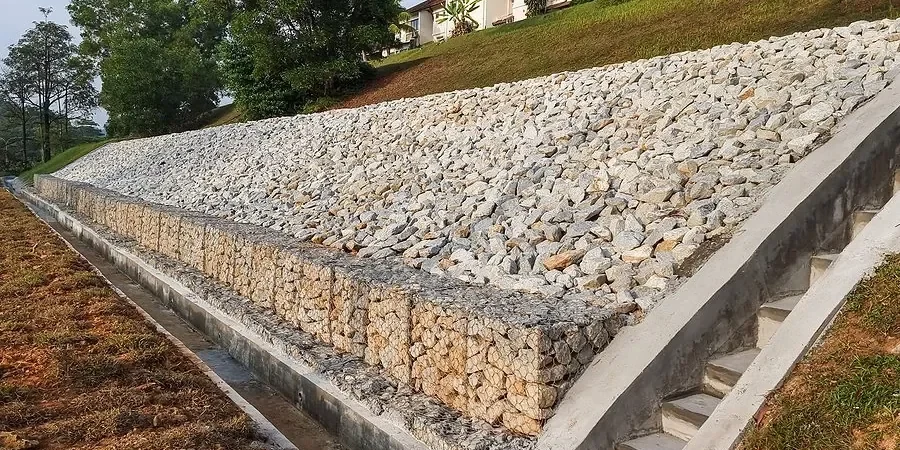
In Santa Ana, sandy loam slopes can lose 2 inches of soil in a single 24-hour storm if no erosion analysis is performed.
Scope of work in Santa Ana
Risks and considerations in Santa Ana
The field crew sets up a rainfall simulator on a test plot in Santa Ana, typically measuring 1 m². Water is sprayed at a controlled intensity while runoff is collected and weighed. This physical test replicates what happens during a real storm on a bare slope. The data reveals exactly how much sediment erodes per minute. If the rate exceeds 1.5 g/min per m², the site needs immediate erosion control measures. Skipping this step is risky: without the numbers, you cannot design effective silt fences, check dams, or sediment basins. A single failure can trigger fines from the Santa Ana Regional Water Quality Control Board and costly repair orders.
Our services
Our Santa Ana geotechnical lab offers four specialized erosion analysis services tailored to local soil conditions:
Rainfall Simulation Testing
In-situ field test using a portable rainfall simulator to measure runoff, infiltration, and sediment yield under controlled intensities up to 4 in/hr.
Soil Dispersivity Analysis
Laboratory pinhole test (ASTM D4647) and double hydrometer test to determine if native soils are prone to internal erosion and piping failure.
Slope Erosion Modeling
Computer modeling using the Revised Universal Soil Loss Equation (RUSLE2) with local rainfall data to predict annual soil loss and design mitigation.
Erosion Control Plan Review
Third-party review of SWPPP, ESC plans, and sediment basin designs to ensure compliance with Santa Ana municipal code and NPDES permits.
Q&A
What is the difference between soil erosion analysis and a geotechnical soil report?
A standard geotechnical report classifies soil layers and determines bearing capacity. Soil erosion analysis focuses specifically on how easily soil particles detach and move under water flow. It measures parameters like critical shear stress, dispersivity, and erodibility factor (K). In Santa Ana, erosion analysis is often required as a supplement to the main geotechnical investigation for hillside lots or properties near drainage channels.
How much does a soil erosion analysis cost in Santa Ana?
The cost for a complete soil erosion analysis in Santa Ana ranges from US$810 to US$2,400. This includes field sampling, laboratory testing (pinhole, hydrometer, and rainfall simulation), and a written report with RUSLE2 modeling. The final price depends on the number of test pits, the complexity of the slope, and whether you need an erosion control plan review.
Do I need an erosion analysis for a flat lot in Santa Ana?
Yes, especially if the lot is near the Santa Ana River or any drainage easement. Flat lots with sandy loam soil can still experience sheet erosion during heavy rain, which may clog storm drains or undermine pavement. The Santa Ana Municipal Code requires erosion control measures for any project disturbing more than 1 acre. Even small residential additions benefit from a basic analysis to avoid future drainage issues.